

In aerospace development, our innovations speed up design checks and cut market delays. At ElectraSpeed, we use modern CNC machining and advanced materials. We bring CAD ideas closer to track-ready prototypes. Our engineers work with tight machining tolerances and careful material stress checks. This work helps make strong, light parts that meet strict flight-safety rules.
The CNC Workflow: From CAD to CAM to Track-Ready Aerospace Components
Aerospace parts begin as detailed CAD models. Designers shape these models with care. They add smooth 3D surfaces that cut down drag and turbulence in flight.
When the CAD model is set, it moves into CAM software. The software creates clear toolpaths. Each toolpath shows a simple cutting order and machining settings. This order cuts fatigue in the material and holds dimensions within ±0.005 mm. Such precision matters for top-grade aerospace parts.
ElectraSpeed runs custom simulations in its CAM workflow. Our tools show how the cutter behaves and how the material reacts. This care cuts down on tool bending or heat problems during milling. Our methods keep billet aluminum and carbon fiber composites strong and ready for aerospace tests.
Advanced Materials in Prototype Engineering: Billet Aluminum and Carbon Fiber
Top aerospace parts often need materials that are both strong and light. At ElectraSpeed, we use two main materials:
-
Billet Aluminum: We start with a solid block. This yields a fine grain and strong properties. Its easy machining lets us form detailed and complex shapes. It is a good match for turbine housings and airframe brackets.
-
Carbon Fiber Composites: These parts have a stiff and light build. They are made with careful machining and finishing. ElectraSpeed uses special tools and vacuum curing to keep fiber layers in line. This work stops layers from peeling apart.
Our engineers join forces with aerospace clients during material stress checks. They use Finite Element Analysis (FEA) to simulate load and find weak spots before we build a physical model. Blending digital tests with real parts helps us choose the best material and shape for top performance and safety.
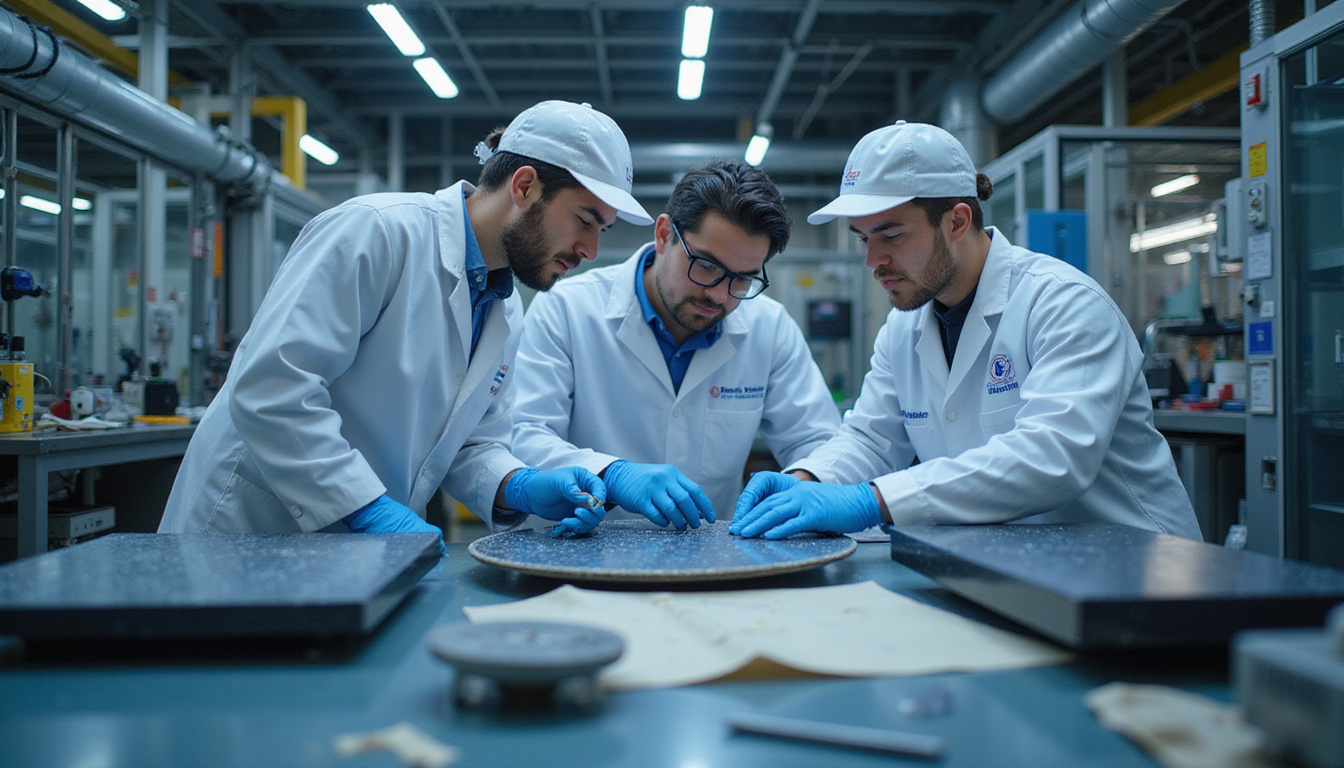
High-Tolerance Component Engineering for Aerospace Applications
High-tolerance engineering is a must in aerospace. Parts must fit well and work under tough conditions. ElectraSpeed uses multi-axis CNC centers that move in 5 axes. This lets us machine complex shapes in one step. A single setup cuts down extra moves that change dimensions and boosts repeatability.
Our quality steps include:
• Laser scans and CMM (coordinate measuring machines) check 3D size and shape against the CAD model.
• Thermal compensation handles material expansion during machining.
• Feedback from wind tunnel and CFD (computational fluid dynamics) tests improves the design with every pass.
These steps ensure that each prototype part meets and often beats aerospace rules for safety and performance.
ElectraSpeed’s Prototype Production Process: From Concept to Flight-Ready Part
ElectraSpeed mixes several skills to quicken aerospace component development:
• Conceptual CAD Design: We work with clients to build clear digital models with 3D surfaces and controlled features.
• Material Selection & Simulation: We apply FEA and use material data to choose the right billet aluminum or carbon fiber. We factor in environmental loads.
• CAM Programming: We make and check toolpaths that cut cycle time and boost surface quality.
• Precision CNC Machining: Our 5-axis CNC centers use top tools to shape raw materials. They stay within strict machining tolerances.
• Post-Machining Inspection: We run CMM checks and non-destructive tests to verify size and strength.
• Prototype Assembly & Testing: We test function and aerodynamics with aerospace engineers to be sure the part is ready for flight.
Our process uses ElectraSpeed’s own innovations in vibration control and thermal management during machining. This work brings reliable and traceable results to each project.
FAQ: Aerospace Prototype Materials Engineering at ElectraSpeed
Q1: What CNC tolerances does ElectraSpeed achieve for aerospace parts?
A1: We keep machining tolerances within ±0.005 mm (±5 microns) on key aerospace parts. This precision helps parts fit and perform as needed.
Q2: Which CAD file types work with ElectraSpeed’s process?
A2: We work with STEP, IGES, CATIA, SolidWorks, and DXF. This range keeps our CAM systems running smoothly.
Q3: Can ElectraSpeed handle one-off prototypes and production runs?
A3: Yes. Our CNC and materials work fits both single prototypes and small to medium runs with steady quality.
Conclusion
Prototype materials engineering at ElectraSpeed makes a strong mark on aerospace innovation. We merge advanced CAD/CAM work, tight CNC machining, and cutting-edge materials like billet aluminum and carbon fiber. This mix helps aerospace engineers push design limits. Our promise of precision, repeatability, and careful stress checks makes every prototype flight-ready and safe.
For more on CNC machining precision and aerospace materials, SAE International has useful guides on these topics.
Meta Description:
ElectraSpeed speeds up aerospace innovations with prototype materials engineering. We blend precision CNC machining with advanced billet aluminum and carbon fiber composites.
Keywords:
prototype materials engineering, aerospace CNC machining, billet aluminum aerospace parts, carbon fiber composites, high-tolerance machining, CAM toolpaths, material stress analysis, 3D surfacing, aerospace prototyping
ElectraSpeed is an advanced prototyping and engineering company specializing in CNC machining, CAD/CAM development, and hybrid propulsion innovation for the motorsport and automotive industries.
By merging precision engineering with digital design, we help builders, manufacturers, and racing teams turn ambitious concepts into race-ready reality.
Visit Electraspeed to explore our projects and engineering capabilities.
No Comments.