
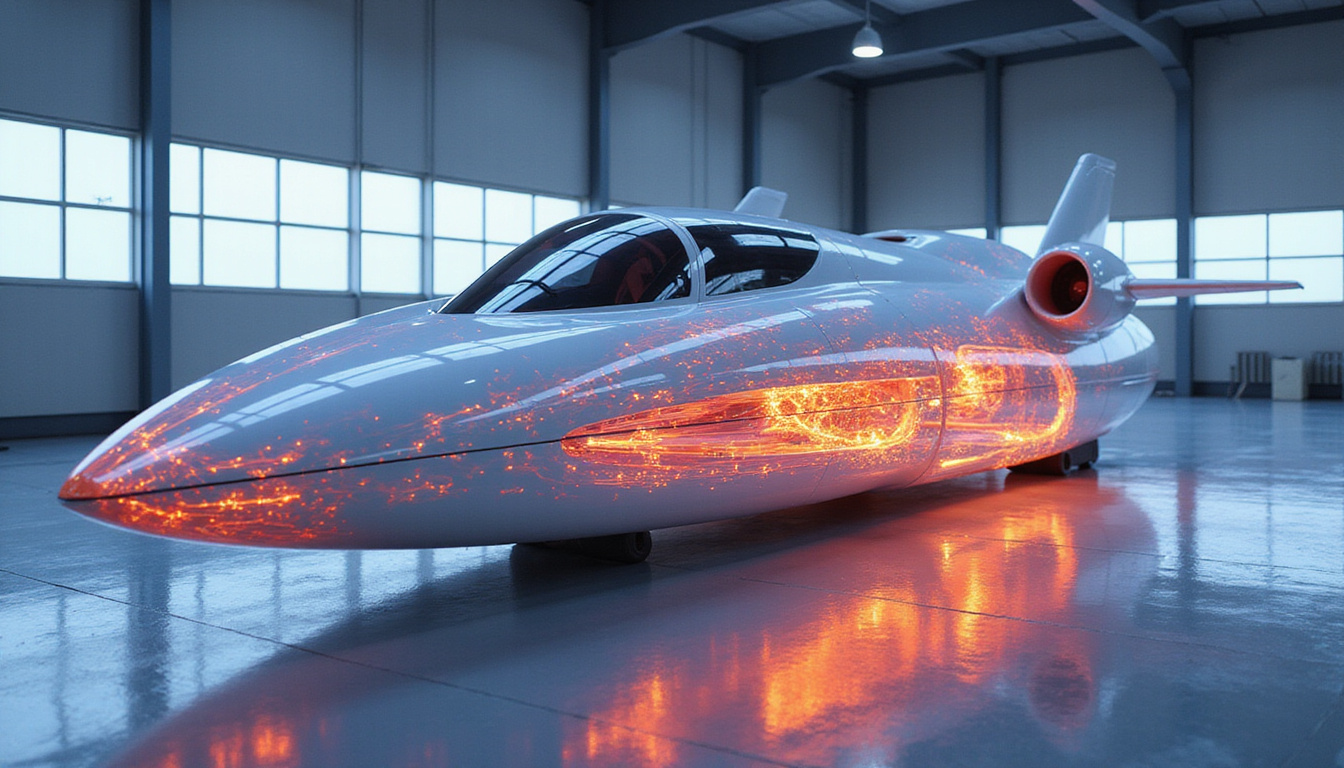
In motorsport and precision engineering, prototype aerodynamics plays a key role. At ElectraSpeed, we use cutting-edge CAD design, CAM workflows, and CNC machining. We bring aerodynamic ideas close to the final form. Our methods connect each step in a clear, simple way.
Understanding Prototype Aerodynamics and Its Role in Engineering Innovation
Aerodynamic prototypes study air flow over early designs. This study helps reduce drag and boost stability. In motorcycle hybrid propulsion, fuel efficiency meets speed. We use CFD simulations and wind tunnel tests. These tests prove our designs work in the real world.
Aerodynamics keeps lift, drag, and downforce balanced. Designers work with high-tolerance parts. Each part stays true to the design and theory.
The CNC Workflow: From CAD to CAM to Track-Ready Part
ElectraSpeed begins by making a detailed CAD design. We form 3D surfaces to create aerodynamic shapes. Engineers check factors like:
- Material stress analysis: Parts must resist real forces without bending.
- Machining tolerance specifications: We aim for ±0.005 mm to keep integrity.
- Aerodynamic optimization goals: We lower turbulence and drag.
Translating Design into Machined Precision
After the CAD model is complete, it goes to our CAM software. There, toolpaths plan the cuts. We machine billet aluminum and carbon fiber composites. These materials are strong and light while lasting long.
Key steps in ElectraSpeed’s design-to-prototype workflow include:
- Importing CAD files in formats like STEP, IGES, SolidWorks, and CATIA.
- Running machining simulations to check toolpaths.
- Choosing cutting strategies for different materials.
- Using multi-axis CNC milling for complex surfaces.
- Inspecting parts with CMM to verify tolerances.
This process joins design with production. The result is a prototype that matches our model perfectly.

Precision Engineering for High-Tolerance Prototype Components
High-tolerance parts are needed for real aerodynamic tests. Even small errors can change air flow. At ElectraSpeed, digital metrology and adaptive machining work together. They keep parts within the required limits.
Material Considerations for Aerodynamic Performance Prototypes
Selecting the right material is key. Billet aluminum machines well and stays rigid. Carbon fiber is light and stiff. Both qualities help in hybrid propulsion and racing bikes. Stress analysis tools show how forces act on the parts. With these tools, we tweak our designs and machining.
Performance Part Prototyping: From Concept to Competitive Advantage
Prototyping performance parts needs both aerodynamic skill and strength. Our iterative method lets engineers test parts quickly. Early tests show airflow issues that we can fix in further designs.
We link CAD, CAM, and CNC machining to shrink turnaround times. What used to take weeks may now take days. This speed gives design teams a track-ready, optimized part far faster.
How ElectraSpeed Translates Design Files Into Machined Aero Prototypes
- File Verification: We check CAD files for completeness and shape.
- CAM Preparation: We build toolpaths that are efficient and clear.
- Material Setup: We hold billet aluminum or carbon fiber tightly in fixturing.
- Multi-Axis CNC Machining: We use 4- or 5-axis centers to create detailed features.
- Quality Inspection: We use CMM and surface checks to reach ±0.005 mm tolerance.
- Post-Processing: We add coatings or buff surfaces as needed.
- Prototype Testing: We deliver parts that are ready for wind tunnel or track tests. These tests back hybrid propulsion and racing strategies.
FAQ: ElectraSpeed’s Capabilities in Prototype Aerodynamics
Q1: What CNC tolerances can ElectraSpeed achieve for aerodynamic prototypes?
We achieve tolerances near ±0.005 mm. This keeps surfaces true to design for correct airflow.
Q2: Which CAD file formats are compatible with ElectraSpeed’s workflow?
Our process handles STEP, IGES, SolidWorks, CATIA, and Autodesk Inventor files. This ease allows smooth integration with many design tools.
Q3: Can ElectraSpeed handle both one-off prototypes and production runs for aerodynamic components?
Yes. We make one-off complex prototypes and low- to mid-volume production parts while keeping quality high.
Conclusion
Prototype aerodynamics is a base for new designs in motorsport and hybrid propulsion. ElectraSpeed uses precise CNC machining, clear CAD/CAM methods, and smart material choices. Designers can see their models become real parts. With strict tolerance control, careful material checks, and thorough testing, we cut development times and reduce risks. Our work pushes the limits of what is aerodynamically possible.
For engineers who need better aerodynamic efficiency and top prototype manufacturing, ElectraSpeed provides unmatched precision and forward-thinking design built on deep expertise.
Meta Description:
Accelerate prototype aerodynamics with ElectraSpeed’s CNC machining and CAD/CAM precision for advanced aero-optimized design and performance testing.
Structured Keywords:
prototype aerodynamics, CNC machining tolerance, aerodynamic optimization, CAD to CAM workflow, billet aluminum machining, carbon fiber prototyping, performance part prototyping, hybrid propulsion systems.
Reference:
SAE International’s standards on aerodynamic testing and precision machining highlight the critical role of tolerance and material selection in prototype component validation (source).
ElectraSpeed is an advanced prototyping and engineering company specializing in CNC machining, CAD/CAM development, and hybrid propulsion innovation for the motorsport and automotive industries.
By merging precision engineering with digital design, we help builders, manufacturers, and racing teams turn ambitious concepts into race-ready reality.
Visit Electraspeed to explore our projects and engineering capabilities.
No Comments.