
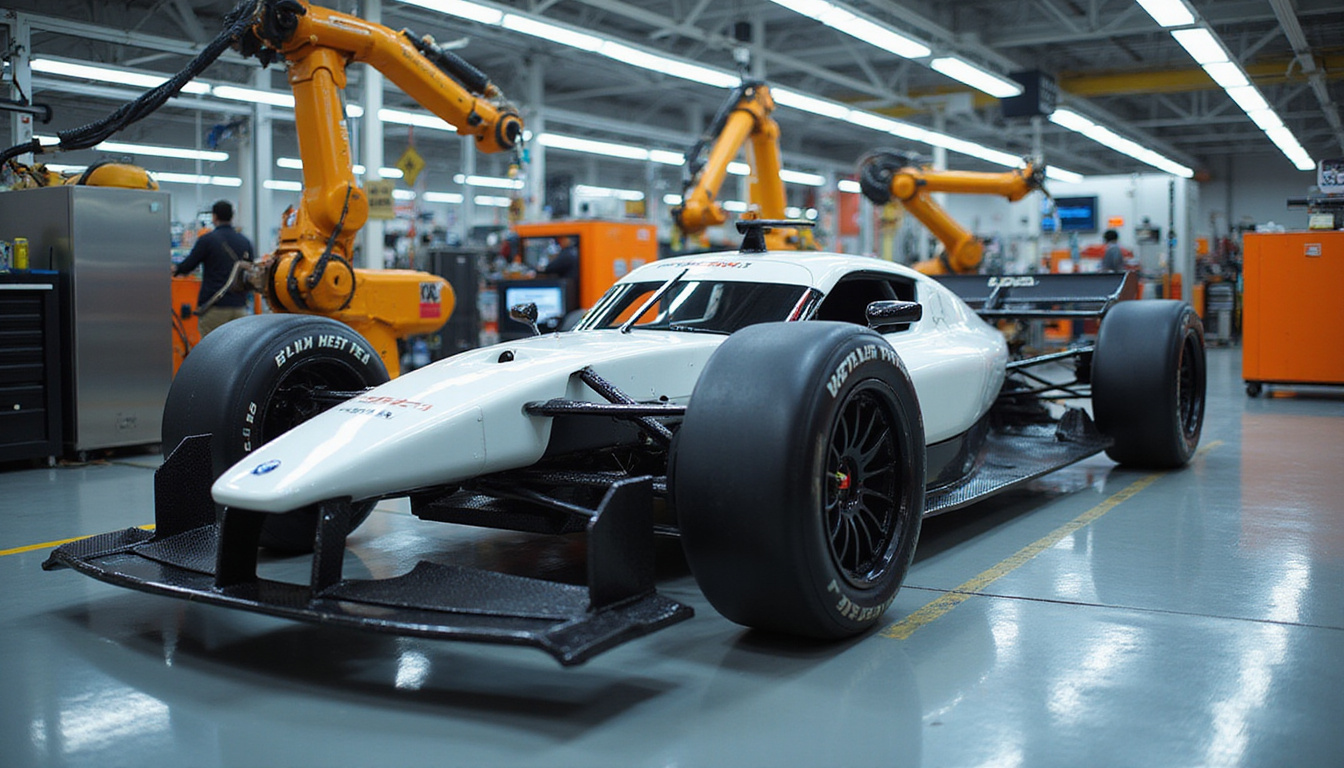
In motorsports, racecar fabrication is a key support. It joins precision work with aerodynamic skill. At ElectraSpeed, experts see fabrication as more than assembly. They link CNC machining, hybrid propulsion, and tight tolerance work to fuel success. Using modern CAD/CAM workflows with top material science, ElectraSpeed speeds up prototype work. Each part must meet strict performance and durability rules.
The CNC Workflow: From CAD Design to Aero-Optimized Component
Racecar fabrication starts in a digital space. In CAD software, engineers design curves and lines. The 3D design sets part shapes and guides airflow. The same digital file moves into CAM software. CAM writes toolpaths that a CNC machine follows.
CAM tells the CNC machine exactly how to cut billet aluminum or carbon fiber. Tight tolerances, measured in microns, are the goal. This work sculpts smooth curves that help air flow and reduce drag.
Key Aspects of ElectraSpeed’s CAD-to-CAM Process
• ElectraSpeed adds material stress analysis. Their simulation shows how parts respond to race loads.
• CAM toolpath optimization is key. Custom paths keep heat low and surfaces smooth.
• High-tolerance machining is routine. Advanced calibration and probing hit tolerances as tight as ±0.005 mm.
• Prototype verification is strict. CMM inspection checks that each part meets its CAD design.
• Rapid iteration matters. Fast digital changes let engineers tweak for better airflow or engine fit.
Hybrid Propulsion Systems: Engineering Lightweight, High-Performance Powertrain Components
Racecar fabrication now adds hybrid propulsion. Electric motors join with combustion engines. ElectraSpeed makes parts like motor housings, cooling ducts, and battery enclosures that must hold up under heat and force.
Challenges in Hybrid Component Fabrication
• Material compatibility is a must. Engineers bond carbon fiber and billet aluminum.
• Thermal management is critical. Parts must pull heat away while staying strong.
• Space constraints push smart design. Compact engine pieces need tight 3D curves and aerodynamic flow.
ElectraSpeed’s CAM workflows adjust toolpaths to lower stress and deliver perfect surfaces for good heat flow.
High-Tolerance Component Engineering for Racecar Performance Enhancement
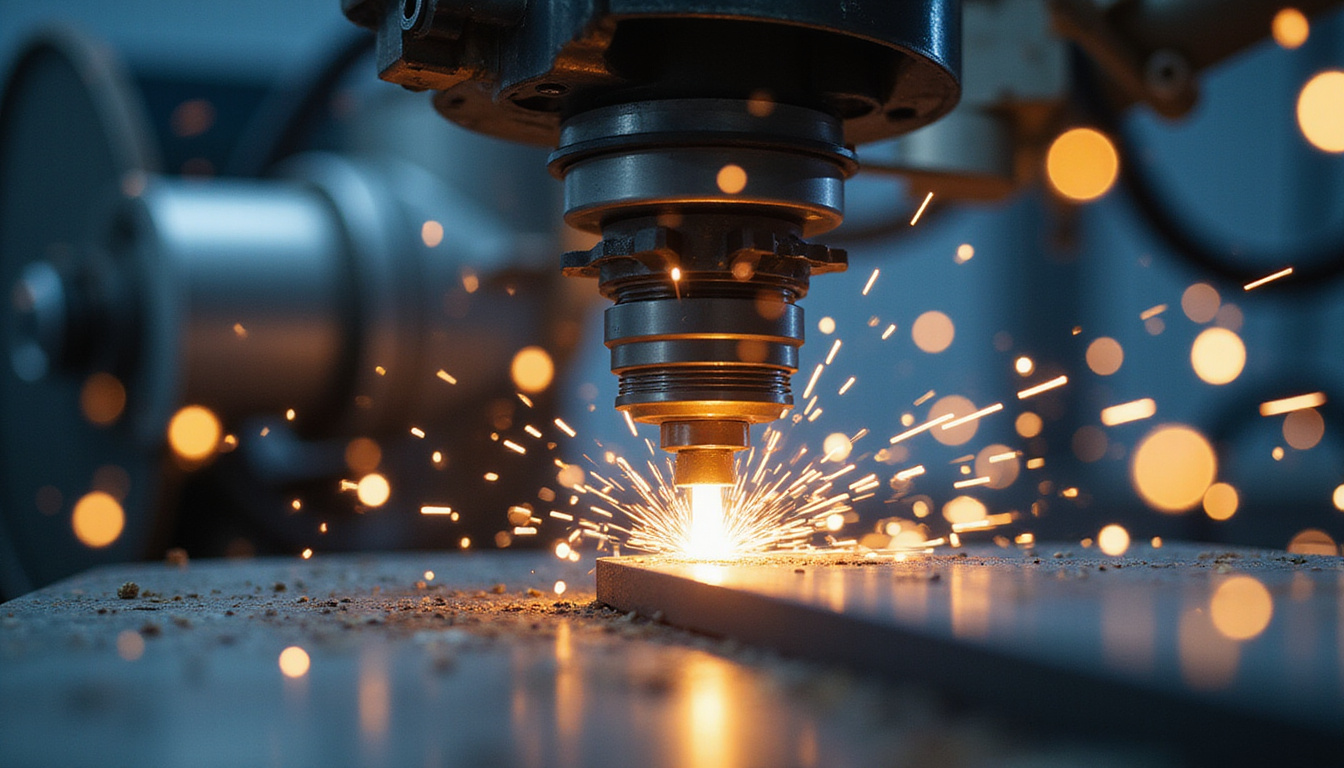
Winning on the track comes from close work on every part. Machining tolerance shows how close a part comes to its ideal size. Each small error can change airflow and fit.
ElectraSpeed’s Approach to High-Tolerance Components
• Multi-axis CNC milling machines work in 5-axis groups.
• In-situ metrology tools check quality as work goes on.
• Post-machining steps, like cryogenic stress relief and surface treatments, lock in precision.
This strict work makes suspension mounts and winglets that meet SAE International standards.
Material Selection: Billet Aluminum and Carbon Fiber in Racecar Fabrication
Choosing the right material shapes strength and speed. Billet aluminum comes from a single block. It shows uniform strength and fits tight designs. Carbon fiber gives lightweight, strong designs with custom stiffness.
Integrating Advanced Materials
• Billet Aluminum offers tight tolerances and resists fatigue.
• Carbon Fiber in sandwich composites gives stiff, light body panels.
• Hybrid assemblies mix these materials. Advanced adhesives and fasteners lock parts into place for top performance.
ElectraSpeed’s Prototype Development: Precision and Speed at Scale
- Initial design review begins with clients. They finalize CAD models and set engineering rules.
- Simulation and stress analysis follow. CFD and FEA check airflow and strength.
- Material selection and CAM work come next. Engineers choose materials and set CAM toolpaths to hit tolerances and finish.
- CNC machining and quality control take over. Machines cut parts under strict rules and CMM checks confirm design accuracy.
- Finally, functional testing proves work. Prototypes run on test rigs or tracks. Data from tests drives improvements.
Frequently Asked Questions
Q1: What CNC tolerances can ElectraSpeed achieve in racecar fabrication?
ElectraSpeed hits tolerances as tight as ±0.005 mm. This precision makes parts fit well during intense races.
Q2: Which CAD file formats are compatible with ElectraSpeed’s workflow?
They work with STEP (.stp), IGES (.igs), SolidWorks (.sldprt), and CATIA (.catpart). This mix makes integration smooth.
Q3: Can ElectraSpeed handle both one-off prototypes and production runs?
Yes. Their flexible CNC setup covers single prototypes to medium-scale batches with steady quality.
ElectraSpeed blends advanced CAD/CAM work, hybrid propulsion design, and high-tolerance machining. They join billet aluminum with carbon fiber. This mix helps engineers push motorsport limits with precise, aero-friendly parts—a proven way to win on the track.
Meta Description:
ElectraSpeed drives racecar fabrication with precise CNC machining, hybrid propulsion, and advanced materials. Precision parts boost motorsport performance.
Keywords:
racecar fabrication, CNC machining, CAD design, CAM toolpaths, hybrid propulsion, billet aluminum, carbon fiber composites, tight tolerances, aerodynamic optimization, prototype development.
ElectraSpeed is an advanced prototyping and engineering company specializing in CNC machining, CAD/CAM development, and hybrid propulsion innovation for the motorsport and automotive industries.
By merging precision engineering with digital design, we help builders, manufacturers, and racing teams turn ambitious concepts into race-ready reality.
Visit Electraspeed to explore our projects and engineering capabilities.
No Comments.